
Introduction
Are you the proud owner of a Gauges Ford F150? You’ve probably come across that pesky little light on your dashboard – the dreaded “Check Engine Lights” warning. Don’t worry, you’re not alone! Many F150 owners have come across this mysterious indicator. But what does that mean? And most importantly, how to solve the problem? In this blog post, we delve into the world of Ford F150 diagnostic tools and help shed some light on this confusing topic. So snap, let’s go!
What Does the “Check Gauges” Light Mean on a Ford F150?
Check engine light on Ford F150 is a question that many drivers ask themselves when they see this warning light on their dashboard. The check engine light indicates that there is a problem with one or more important systems in your vehicle.
When this light comes on, it means you should pay attention and take action. This could indicate low oil pressure, high engine temperature, or a faulty sensor. Whatever the problem is, it’s important not to ignore it.
Indicator lights remind you to monitor your vehicle’s vital signs while driving. This system acts as an early warning system, alerting you to potential problems before they become serious problems. Ignoring this warning could result in costly future repairs or a safety hazard.
So if you see the check engine light on the dashboard of your Ford F150, don’t panic. Instead, evaluate the situation. Check the device for obvious signs of problems such as leaks or overheating. If everything looks fine but the light won’t turn off, it’s best to contact a professional mechanic who can quickly diagnose and fix the problem.
Common Causes of the “Check Gauges” Light in a Ford F150
Ford F150 warning lights can occur for a number of reasons. A common cause is low oil pressure. If the engine oil level is too low or there is a problem with the oil pump, the check engine lights may come on. Another possible culprit is an overheated engine. When the engine overheats, the temperature gauge rises and the check engine light comes on.
A faulty battery or faulty charging system can also cause the warning lights to come on. If there is a problem with the alternator or battery, it may not be providing enough power for all the vehicle’s systems to function properly.
Problems with other vital fluids such as coolant and transmission fluid can also cause check engine lights to come on. Low levels or leaks of these fluids can cause serious damage if left unattended.
It’s important to note that some reasons why the check engine light comes on are relatively minor and easy to fix, while others may require major repairs that are performed by a professional mechanic. Therefore, for optimal performance and safety while driving your Ford F150, it is always best to identify and correct any problems in time.
Is It Safe to Drive with the “Check Gauges” Light On?
Driving with the control indicator on is dangerous. This warning light usually indicates a problem with one or more critical systems in your vehicle, such as low oil pressure, an overheating engine, or low fuel level. Ignoring these warnings and continuing to drive could result in further damage to your truck’s engine and other critical components.
If your gauge light comes on while driving, it’s best to take immediate action. Stop the vehicle as quickly and safely as possible and turn off the engine. Check the underside of the hood for obvious signs of problems such as leaks or smoke. If everything looks normal, it may be worth checking important fluids such as oil and coolant levels before deciding whether it is safe to continue driving.
If the dashboard light on your Ford F150 comes on while you are driving, it is very important to take precautions for your safety and prevent possible damage to your vehicle.
How Easy Is It to Fix a “Check Gauges” Light Issue?
Well, the answer depends on the root cause of the problem. The light can come on for several reasons, such as: For example, low oil pressure, an overheated engine or low fuel level.
If the problem is as simple as a loose gas cap causing an evaporative leak, it’s relatively easy to fix. Tighten or replace the gas caps by disconnecting the battery for a few minutes.
However, the problem is more complex, and if you need to diagnose mechanical or electrical problems with your car’s computers, fixing them may not be so easy. This may include repairing cable connections, replacing sensors or components, or seeking professional help.
Remember that regular maintenance and prompt attention to warning lights are key to keeping your Ford F150 running smoothly.
Steps to Take When the “Check Gauges” Light Appears on Your Ford F150
When your Ford F150 check engine light comes on, it is important not to ignore it. This warning signal indicates a problem with one or more of your vehicle’s indicators, such as: E.g. oil pressure, battery voltage, temperature or fuel level. So what do we do when we see this light?
No panic! Park the car safely in a safe place and turn off the engine. Please take a moment to assess your situation and gather the tools and resources you need.
Next, check each gauge individually to determine which gauge turned on the warning light. Check whether the readings show any abnormalities. Low oil pressure and overheating can be a problem.
In short, stay calm, assess the situation carefully, identify which gauges are causing you concern, and seek professional help if necessary. By acting quickly, you can keep your Ford F150 running smoothly and avoid expensive repairs in the future.
FAQs – Check Gauges Ford F150
Q: Which Gauges Should I Monitor Regularly for Optimal Vehicle Health?
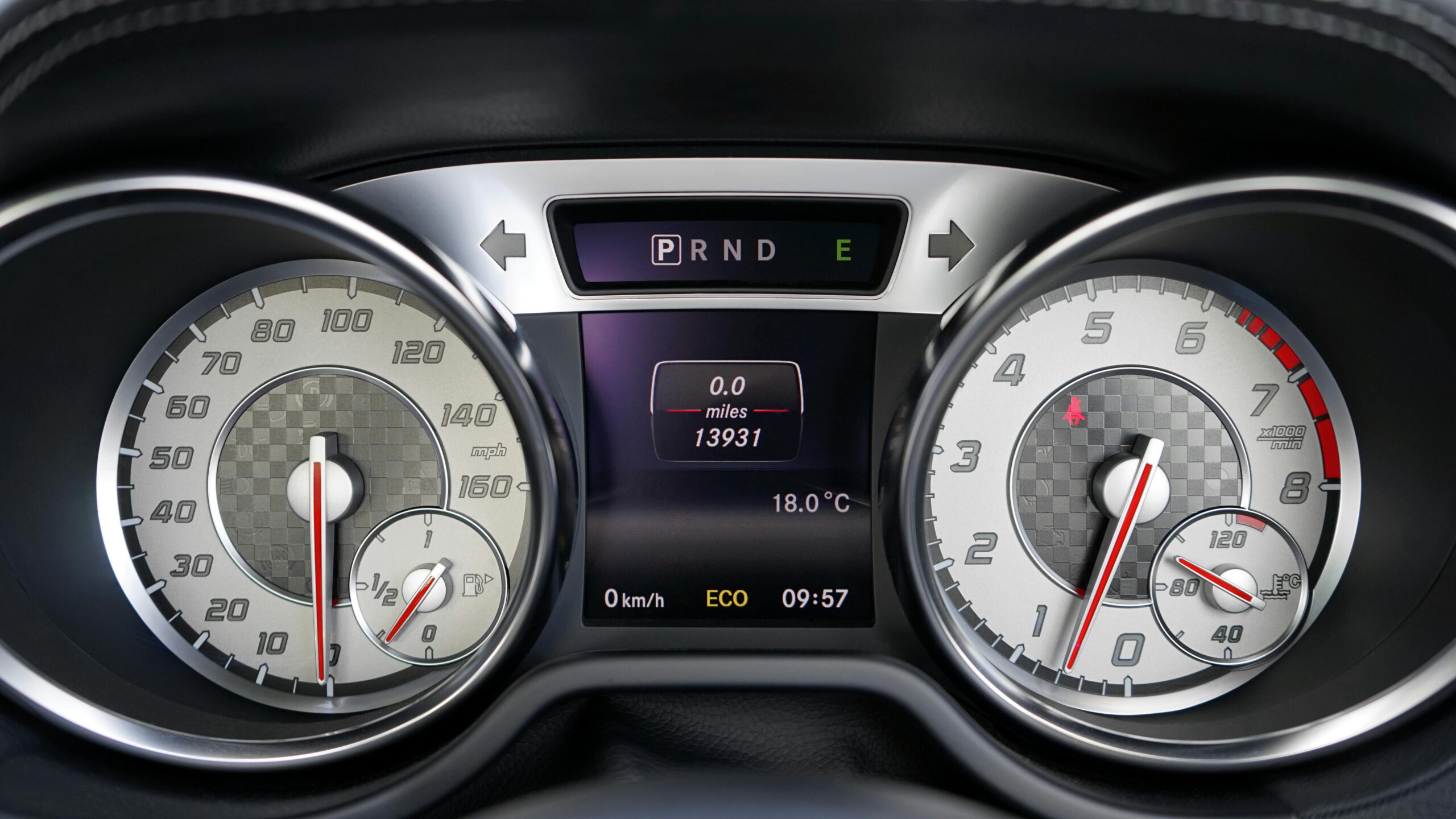
A: The most important gauges that should be checked regularly are the fuel gauge, temperature gauge, oil pressure gauge, and battery voltage gauge. These sensors provide important information about your vehicle’s fuel level, engine temperature, oil level and pressure, and battery health.
Q: Locating the Fuel Gauge on Your Ford F150 Dashboard
A: The fuel gauge is usually located in the instrument cluster behind the steering wheel. It shows you how much fuel is left in the tank. The displays show “full”, “empty” and various gradations in between.
Q: Understanding a Low Reading on Your Oil Pressure Gauge
A: Low oil pressure can be caused by a leak or insufficient lubricant in the engine. Stop driving immediately and have your vehicle checked by a professional mechanic, as low oil pressure can cause severe engine damage if left unattended.
Q: How to Read and Understand the Battery Voltage Gauge
A: The battery voltage indicator shows how much charge is left in your car battery. A low value may indicate a problem with the charging system or battery discharge. A dead battery can leave you stranded. Therefore, it is important to fix this problem quickly.
